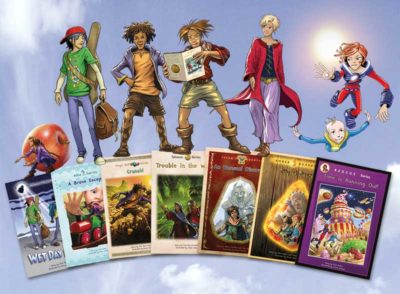

At Phonic Books, we create, design and publish decodable books to help beginner readers and older, reluctant readers.
What are decodable books?
Decodable books are books a child can read independently once they have been taught the phonics at that level. Visit the About Our Books page to find out more.
Why should my child read decodable books?
Decodable books consolidate the phonics taught in your child’s classroom. With step-by-step progression, the child succeeds at each level while learning the phonics needed to become a fluent reader. This approach develops confident readers with reliable reading strategies.
How do I choose the right books for my child?
The level of your child’s reading and his/her age will determine which books are suitable for him/her. Our general guidelines are:
| Book Category | Reader | Age |
| Dandelion Launchers | Beginner Readers | 3 to 8 years |
| Dandelion Readers | Beginner Readers | 5 to 8 years |
| Moon Dog, Magic Belt, That Dog!, Alba, Totem, Rescue, Talisman and Titan's Gauntlets Series | Older, Reluctant Readers | 8 to 14 years |
To see how children should progress through our books please look at our Phonic Progression Chart.
How do I go about reading with my child?
For your child to succeed, you will need to ensure that he/she knows that target phoneme at each stage. This is explained in the ‘How to use’ page of every book.
Each book in our Dandelion series also includes a game. This helps to practise and consolidate the learning in a fun way.
Do I need the workbooks?
The workbooks complement the reading books. They offer a variety of activities which develop reading, spelling, writing and comprehension. They are used mostly by schools.
If you feel your child is not getting enough support at their level, you may consider doing the activities alongside reading the books.